Golden Valley Plants Logo - Locally grown Herefordshire plants, delivered Nationwide.
Free Delivery over £60
Money Back Guarantee
Free Delivery over £60
Money Back Guarantee
3 FOR 2 MIX & MATCH - WHEN YOU ADD 3 PLANTS TO YOUR BASKET
Pot Size Guide

Flowering Calendar

Jan
Feb
Mar
Apr
May
Jun
Jul
Aug
Sep
Oct
Nov
Dec
Illustration of a ribbon advertising a 30 day returns policy
Vector illustration using floral elements advertising a lifetime guarantee

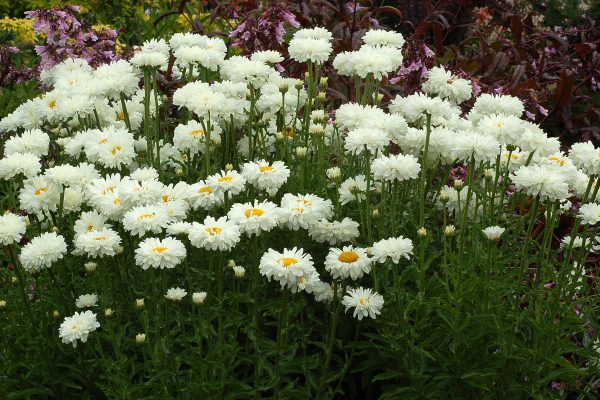
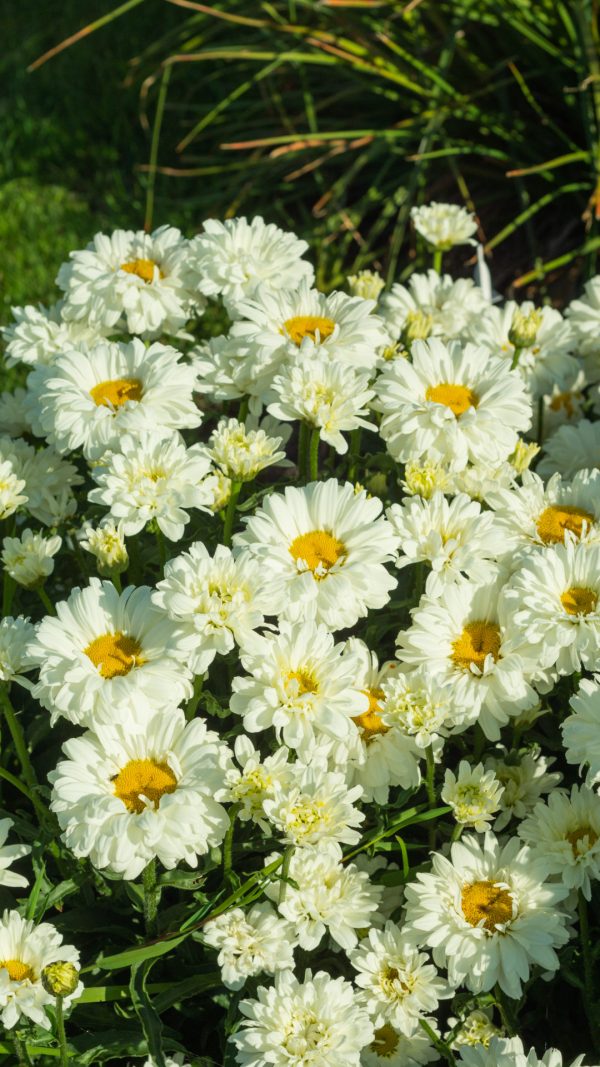
Leucanthemum ‘Victorian Secret’
(Shasta Daisy (PBR)

£20.00

£20.00

Out of stock

June - September
50cm x 50cm
Sun
Cut Flowers
Fully Hardy

This neat and compact Leucanthemum produces prolific blooms of illuminating frilly white daisies with yellow centres. A clump forming, bushy, deciduous variety that will look stunning in any border or container. Attractive to bees and butterflies, making it a perfect choice for any gardeners who want to bring pollinators to their garden.


Flowering Calendar

Jan
Feb
Mar
Apr
May
Jun
Jul
Aug
Sep
Oct
Nov
Dec

Additional information

Plant Type
Flowering Period
Flower Colour
Fully Grown Size
Foliage
Garden Position
Hardiness
Light Level
Special Features
RHS Plants For Pollinators
RHS Garden Merit Award
Pot Size
Warning
30 Day Returns

Yes

Lifetime Guarantee

Yes

Description

Leucanthemum 'Victorian Secret' is a standout perennial in any garden, prized for its cheerful and prolific blooms. This charming variety produces large, double, daisy-like flowers with pure white petals and bright yellow centres, creating a stunning contrast. Flowering from late Spring to early Summer, 'Victorian Secret' provides a long-lasting and eye-catching display. Our nursery loves 'Victorian Secret' for its reliable performance and its ease of care, making it a favourite among gardeners. This variety thrives in full sun to partial shade and adapts well to various soil types, as long as they are well-drained. Its robust nature and minimal maintenance needs make it an excellent choice for both novice and experienced gardeners. Leucanthemum 'Victorian Secret' is also recognised for its appeal to pollinators, making this perennial a great addition to wildlife-friendly gardens. It's perfect for garden borders, cottage gardens, and mixed perennial beds. Its sturdy stems also make it an ideal cut flower, allowing you to bring its classic beauty indoors. Whether planted in borders or as part of a mixed planting scheme, Leucanthemum 'Victorian Secret' adds a timeless elegance and vibrant charm to any garden design.

Planting Conditions

Leucanthemum, commonly known as Shasta daisies, thrives in well-drained soil with full sun exposure. We advise planting them in early Spring or Autumn, ensuring they receive at least 6 hours of sunlight daily for optimal flowering. Dig a hole slightly larger than the root ball, backfill with soil mixed with compost for nutrients, and water thoroughly after planting. These perennials require regular watering during dry spells but should not be overwatered to avoid root rot.

Watering & Feeding

Shasta daisies (Leucanthemum) benefit from regular watering, especially during dry spells, to keep the soil consistently moist but not waterlogged. Water deeply at the base of the plant to encourage strong root growth. Applying a balanced fertiliser in early Spring, such as a 10-10-10 NPK (nitrogen-phosphorus-potassium) blend, helps promote healthy foliage and abundant blooms. For established plants, feeding can be repeated every 4-6 weeks during the growing season. Mulching around the base of the plant helps retain moisture and suppress weeds. Avoid excessive feeding, as it can lead to lush foliage but fewer flowers.

General Care

Leucanthemum, or Shasta daisies, are low-maintenance perennials that thrive with minimal care. We recommend pruning spent blooms to encourage continuous flowering and cutting back stems to the basal foliage in late Autumn. Deadheading regularly helps prevent seed formation and promotes more blooms. Leucanthemum is generally disease-resistant but can occasionally suffer from powdery mildew or leaf spot; ensure good air circulation and avoid overhead watering to mitigate these issues. They are relatively pest-resistant, though slugs and snails may occasionally pose a problem. Use organic slug deterrents to protect the plants.